
Women Together Against Food Waste
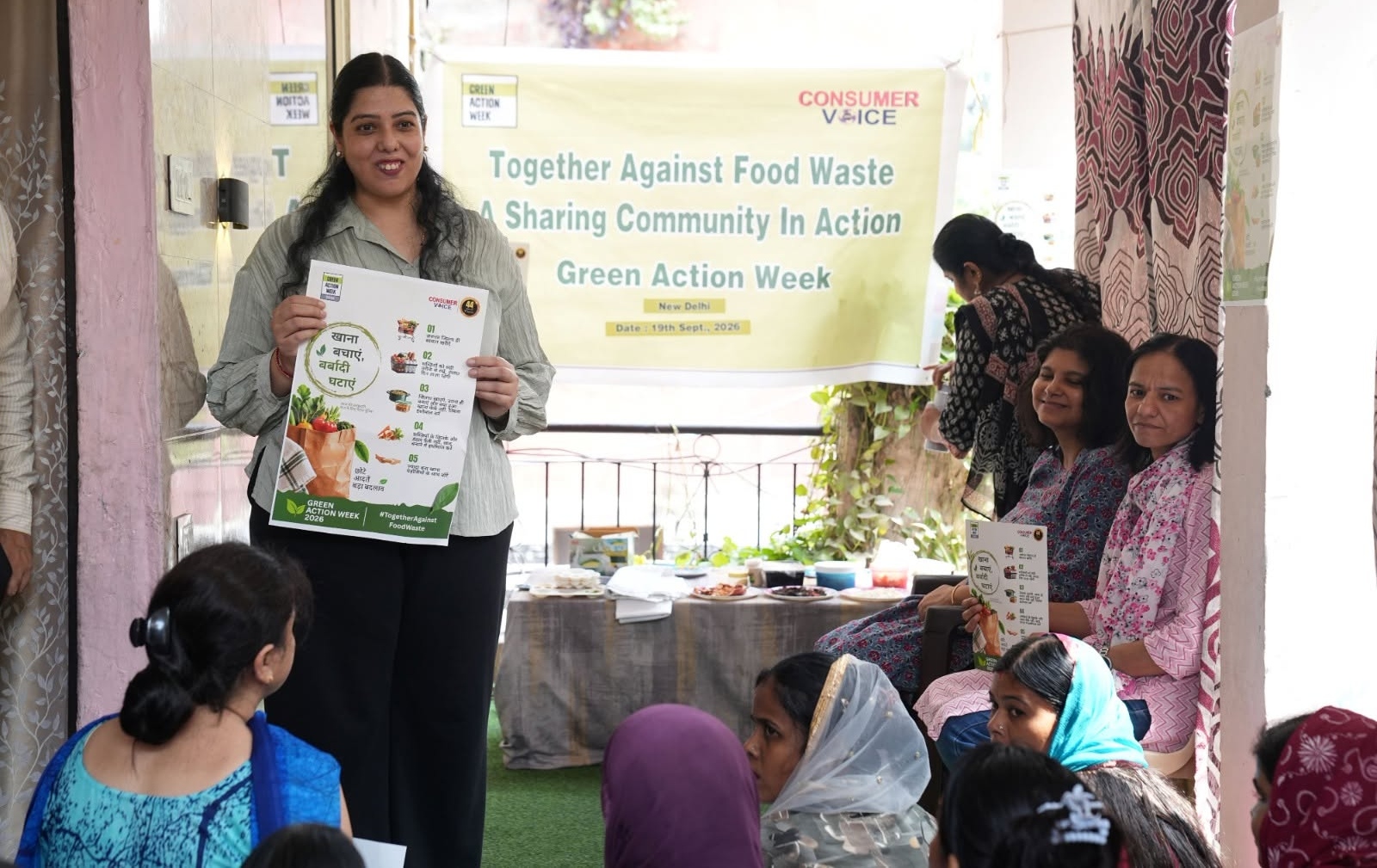
19 September 2026
Jahangirpuri, New Delhi
When women come together, change spreads quickly. They lead community groups, manage household budgets and are trusted voices in their neighbourhoods. So when we wanted to start our campaign, we knew exactly where to begin.
On 19 September, 45+ women from Jahangirpuri came together for our first Green Action Week workshop. We held it right in their own neighbourhood, so it was easy for everyone to join.
Guided by experts and local voices
The workshop was led by Rinki Sharma, Lead – Projects, Consumer VOICE, with support from her colleagues Nilanjana Bose and Ekta Purohit. All the Consumer VOICE team members spoke with the participants directly, listening to their experiences and answering their questions.
They were joined by expert Sheetal Chabbra, who shared knowledge and practical methods for cutting food waste, and by two people from the community itself: Kavita, the local resource person, and Vikas Soni, a local expert. They know the neighbourhood and its daily realities, and they speak its language. This mix made the session easy to follow and easy to trust.
Everyone had something to teach.
The experts came with tips, but the women had plenty of their own. The conversation moved quickly from one practical question to another. How do you plan what to buy so nothing is wasted? How do you keep food fresh for longer? What can you make from food that is left over?
The team shared simple ideas on smart shopping, storing food the right way and using leftovers well. The women added their own methods, and soon everyone was learning from everyone else.
A man at the stove: breaking a stereotype
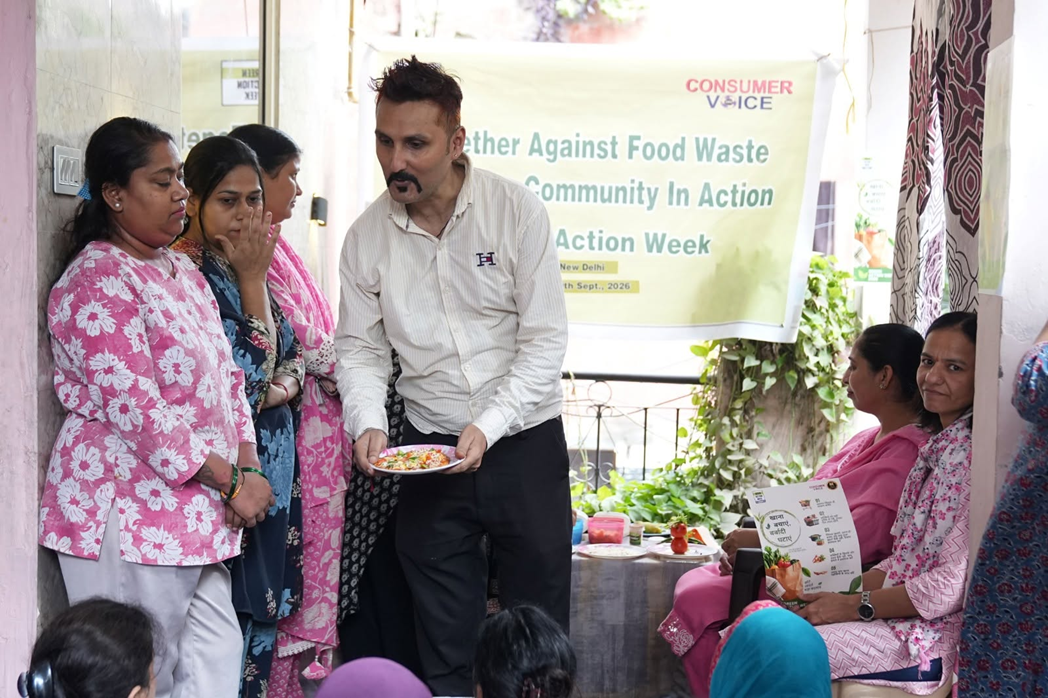
One moment stood out. Vikas Soni stepped forward and showed the group how to make roti pizza. Leftover rotis become the pizza base, and leftover vegetables go on top. It is quick, tasty, and nothing is thrown away.
The recipe was a hit, but the bigger message was who was cooking. Kitchen work is too often seen as a woman’s job. By leading the cooking demonstration himself, Vikas showed that saving food is not women’s work or men’s work. It is everyone’s work, and every member of the family has a part to play.
The joy of sharing
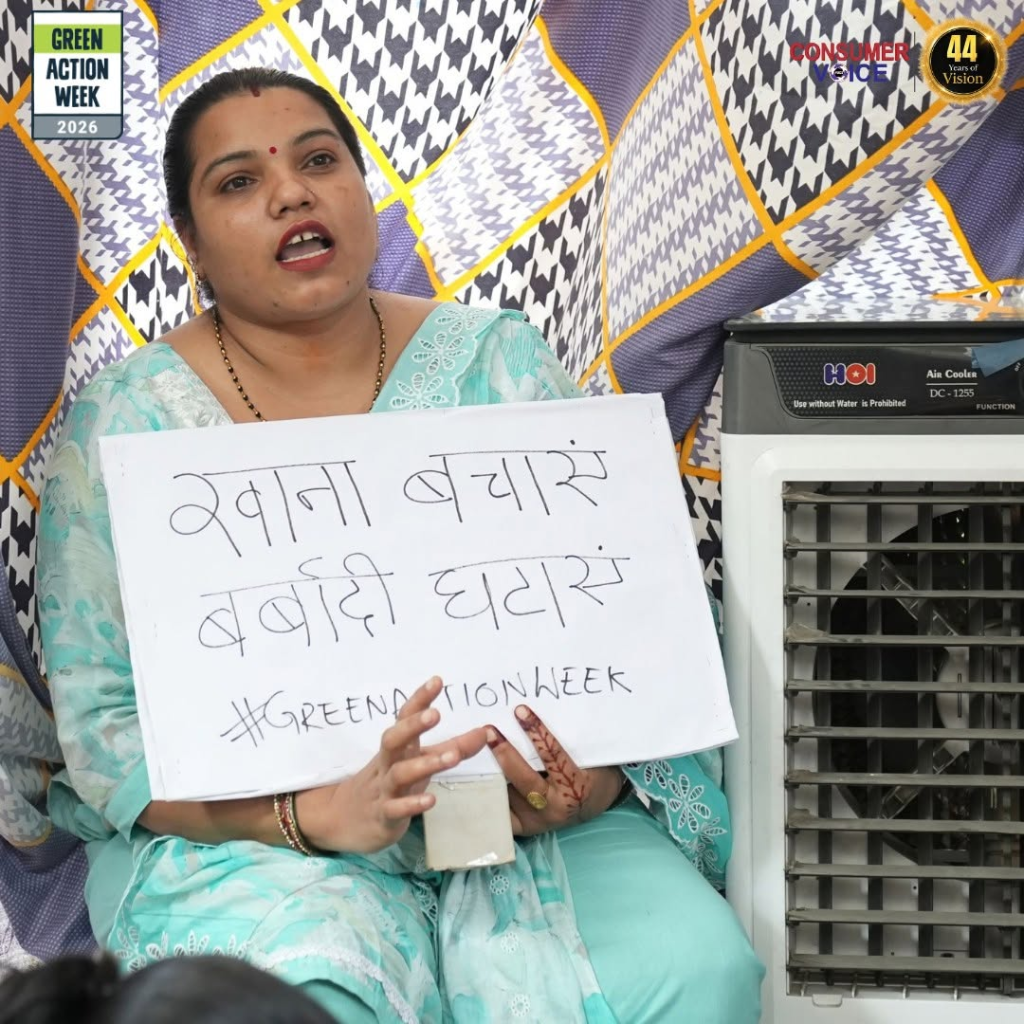
We also talked about something our communities have always done well: sharing food with neighbours. Passing extra food to the family next door is not just kindness. It is also food saved from the bin. The women agreed that this tradition is worth keeping alive.
Food waste turns into art
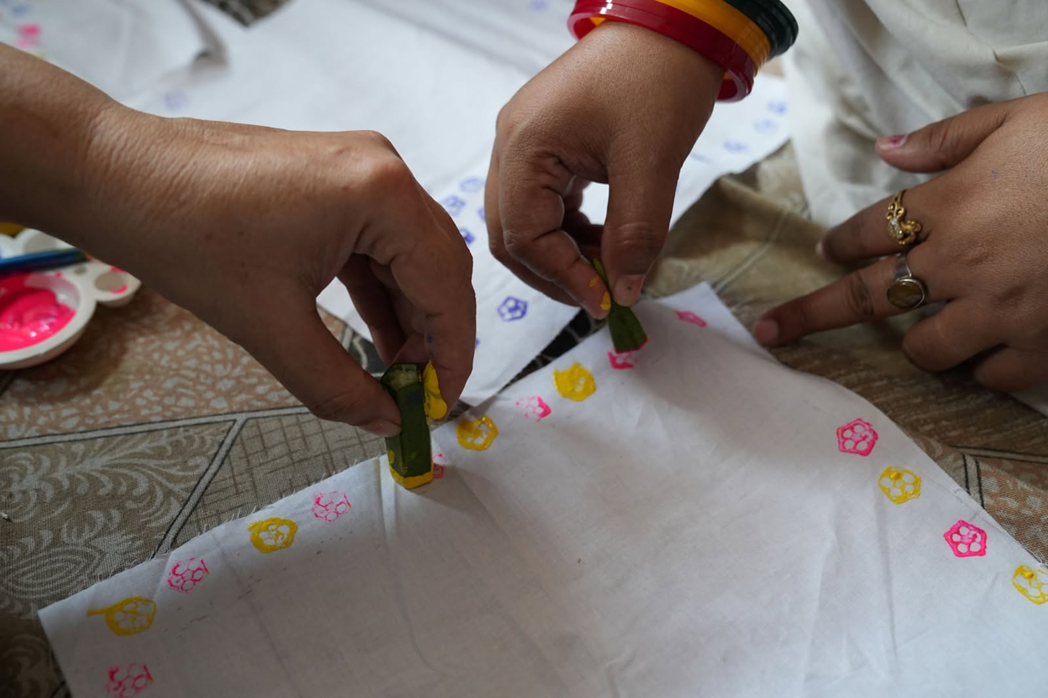
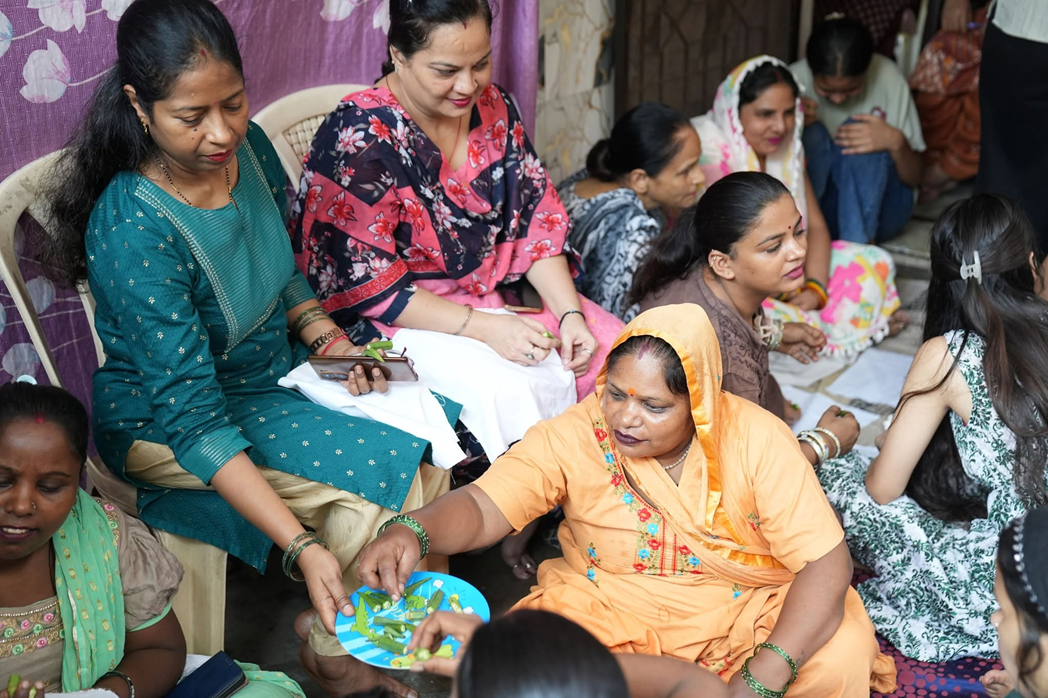
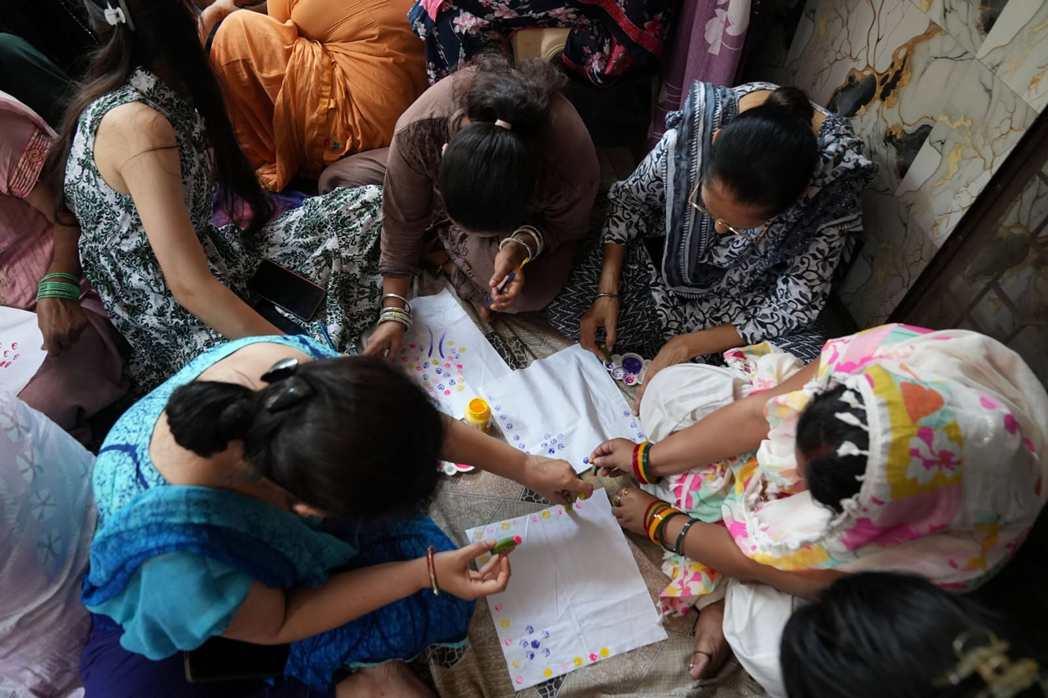
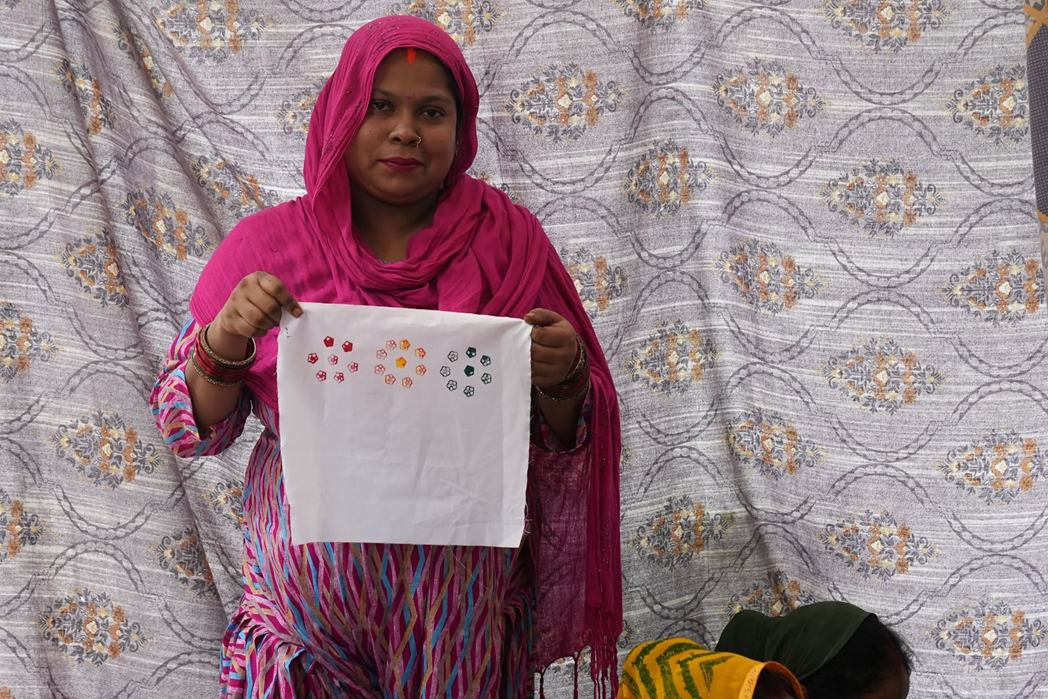
Then came the most colourful part of the day. Using leftover vegetables, such as okra, the women made creative art. Bits of vegetables that would normally be thrown away were turned into something beautiful. It was a simple way to show that “waste” is often just something we have not found a use for yet.
“We learnt something new today”
The women told us the workshop was a great experience. Many said they learnt new ways to store and preserve food, and new ways to turn leftovers into something fresh. Roti pizza was the favourite idea of the day. Another popular tip was turning leftover bread into breadcrumbs, which can be stored and used later in snacks.
A useful gift to take home
Each participant went home with an eco-friendly green bag and a steel container to store and preserve food. A steel container keeps food fresh, lasts for years and replaces plastic. Refreshments were served to everyone.
What stays behind
The women promised to put these ideas into practice, to spread them among their neighbours, relatives and community groups, and to get the whole family involved. That is how a sharing community grows: one person, one conversation, one street at a time.
Back to Main Campaign